
Ginseng Growing
How to tame the ‘king of plants’
‘Idleness and work result in n different ways’ Henry Ford
Throughout the ages, ginseng has been valued and has been in a great demand. Due to this fact, the volume of natural resources of the wild-growing ‘root of life’ started to decrease rapidly.
Ginseng was sesrched of and sold, it was given to the elites as a sign of honour and respectability, there were numerous cheatings and betrayals, scheming and meddling because of it. The root of life and longevity has always been surrounded by the halo of mystery and frequently was a stumbling stone in many life dramas. Ginseng often cost the lives of people who were looking for easy money in the impenetrable forests of the Far East and Korea.
As a result of uncontrolled and irrational collection of this plant, wild ginseng is now a rarity. It is endangered and rightly listed in the Red Book and the International Union for Conservation of Nature (IUCN).
However, even today there are people who have made the search for ginseng their specialty. They are looking for wild ginseng to improve the performance of modern varieties of this plant.
The rarity of ginseng and its exceptional medicinal properties have prompted people to try to grow this crop on their own. The “domestication” of Korean ginseng began as early as the 16th century, improved over the years, and has gained immense momentum in the Korean peninsula today.
With plantation cultivation, all the necessary conditions are created so that ginseng is in no way inferior to wild ginseng and is just as useful for humans. It took many years to improve the technology of plantation cultivation of ginseng.
Features of growing ginseng
Ginseng is a shade-loving plant. In nature, it grows in dense forests and does not tolerate sunlight. That is why growing ginseng in artificial conditions is not an easy task, because it is necessary to ensure the complete absence of sunlight access to plants. Ginseng plantations are covered with special canopies that do not let in the bulk of the sun’s rays.
Ginseng is very depleting of the soil. That is why it is possible to re-plant ginseng only after many years (10-15 years).
On the Korean Peninsula, ginseng grows in the area between 33 and 43 degrees north latitude. Under natural conditions, it can be found in the Teibek mountain system and deep in the mountains of the northern part of the peninsula, usually facing the slopes to the north or northeast, with a height of 100 to 800 m above sea level.
In South Korea, the best region for growing is considered to be the area between 36 and 38 parallels of the north latitude. The Korean Peninsula is located in the northern hemisphere; its soil, climate and environmental conditions are ideal for the full development of ginseng.
One of the features of this plant is that it requires special conditions for its effective cultivation. It is very difficult to adapt ginseng to new environmental conditions, and even more so to grow it in an environment completely alien to it. Under artificially created growing conditions, the form of ginseng, its variety and effectiveness differ significantly from the same properties of ginseng grown in natural conditions.
That is why the Korean Peninsula is considered the best place to grow ginseng. Korean ginseng is recognized as the best in the world.
What does ginseng love?
When creating artificial growing conditions that correspond to natural conditions, the following requirements are taken into account:
1. Climate. Average annual temperature: 0.9 ~ 13.9 ºС, in summer 20 ~ 25 ºС. At temperatures above 35 ºС, irreversible processes occur in the plant, the consequences of which can affect human health when taking ginseng.
The minimum annual precipitation (rain and snow) is 700 ~ 2,000 mm, but the best for cultivation is 1,100 ~ 1,300 mm/year.
2. Lighting. Ginseng is a shade-loving plant; direct sunlight should be avoided, and light scattering is acceptable within 1/8 ~ 1/13.
3. Soil. The soil should contain a moderate amount of nitrogen (no more than 1000 ppm), phosphoric acid (70 ~ 200 ppm). In the best growing conditions, the soil should contain: potassium carbonate 0.2 ~ 0.5 meq/100 g, lime 2.0 ~ 4.5 meq/100 g, magnesium 1.0 ~ 3.0 meq/100 g. Required soil acidity: pH = 5.0 ~ 6.0.
4. Topographic position. The best position on the ground are the gentle slopes of the hills facing north. A flat surface is also suitable for cultivation, provided that the soil is well drained.
5. It is desirable that the soil be saturated with humus (the content of humus / humus from the foliage of broad-leaved trees should exceed 2%). This ratio is close to the composition of the soil in the natural conditions of ginseng growth. If the properties of the soil fall far short of those required for the normal growth of ginseng (especially in those places where chemical fertilizers were used in large quantities), then growing first-class ginseng under such conditions is impossible.
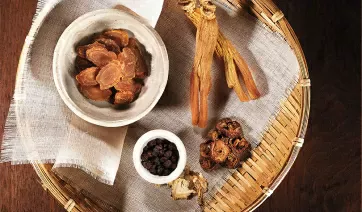
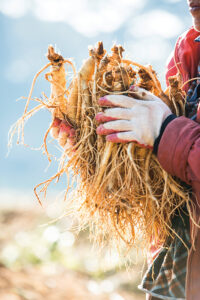
There is a difference in appearance between wild and plantation ginseng. Wild ginseng root is dark brown, knobby, and has many concentric growth rings. It is often branched. Some of them look like a human figure. Wild roots are mostly small and light. A distinctive feature of the wild root is a long “neck”. Plantation ginseng roots are cream colored, smooth and thick, with few concentric growth rings. They are often large and heavy. They often resemble carrot. Ginseng grown from seeds has a short neck.
In different parts of the world, studies have been carried out on the chemical composition of artificially grown ginseng and wild ginseng. It was found that, subject to the necessary growing conditions, their compositions practically do not differ. Scientists have concluded that plantation-grown ginseng is just as useful and effective as wild-growing ginseng.
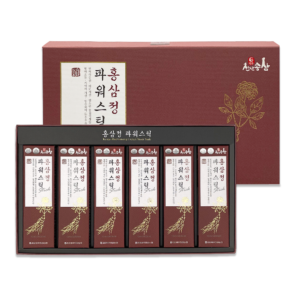
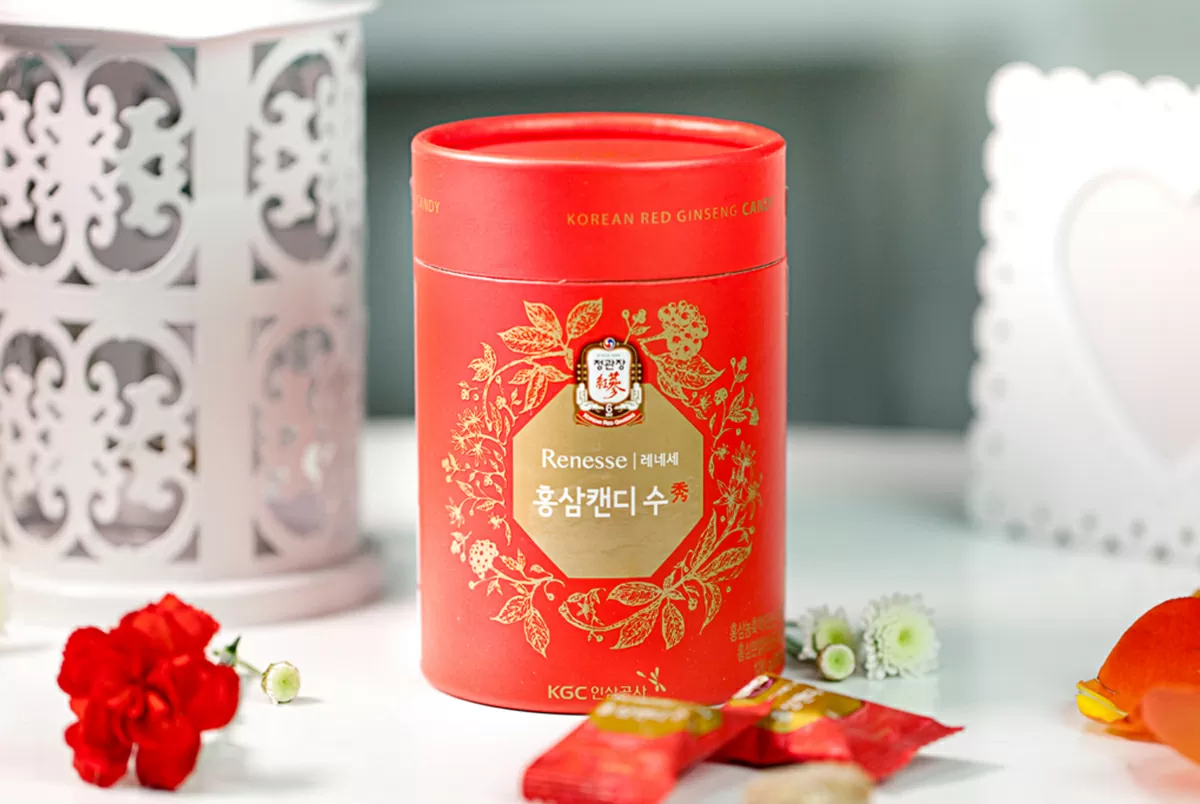
Sticks with extract of 6-year-old red Korean ginseng
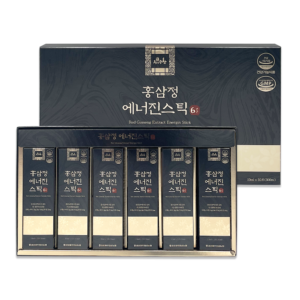
Sticks with extract of 6-year-old red Korean ginseng.
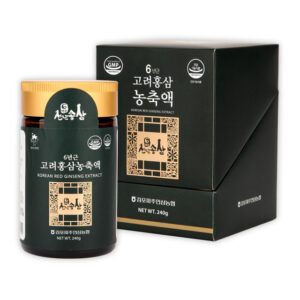
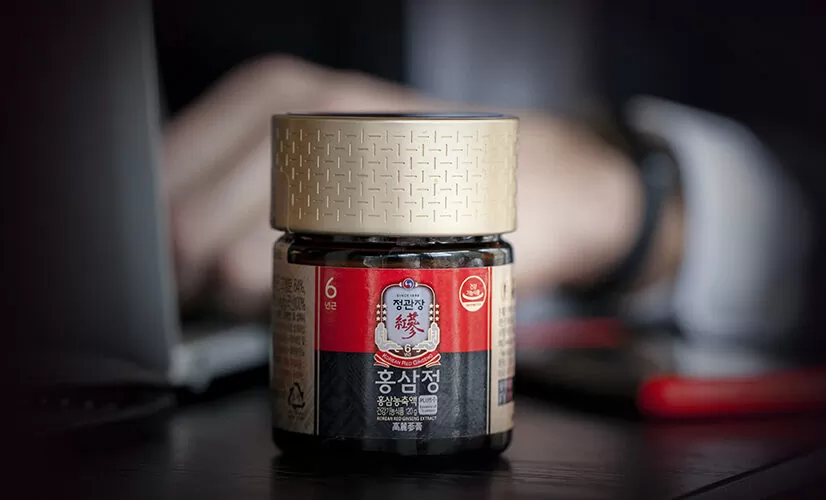
Concentrated 100% extract of 6-year-old red Korean ginseng root.
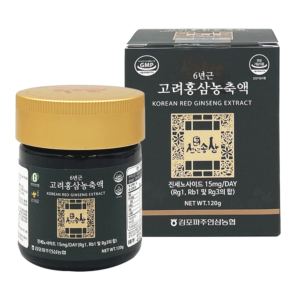
Concentrated 100% extract of 6-year-old red Korean ginseng root.
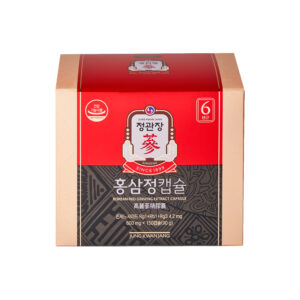
The capsules contain not only red Korean ginseng, but also grape seed oil, wheat germ oil and vitamin E.