
FAQs/frequently asked questions
On average, ginseng is taken 1-3 times a day. 1 time for preventive purposes, 3 times during treatment
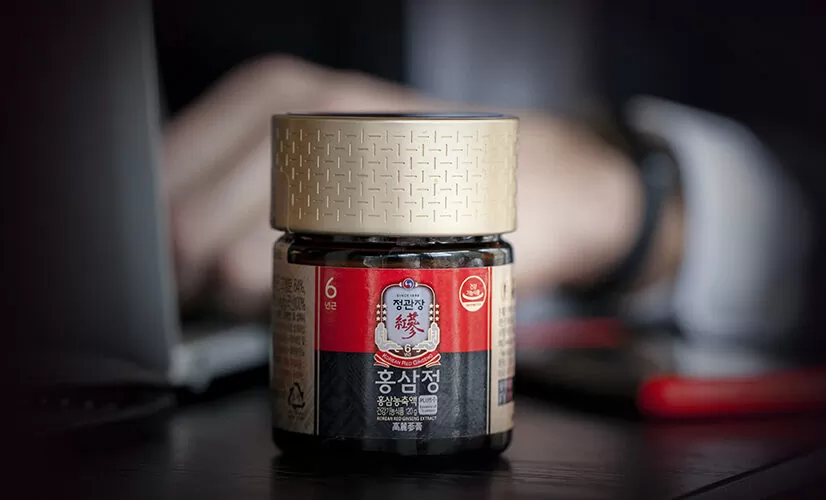
Extract. Dissolve 1 g. of the extract in warm or cool water (a spoonful is in the package). Take 1-3 times a day.
Tea. dissolve the contents of 1 sachet in a glass of warm water. 1-3 sachets a day.
Capsules. Take 1-2 capsules. 1 - 3 times a day, with enough warm water.
Slice (ginseng root with honey). Chew 1-2 times a day. 1-3 times a day.
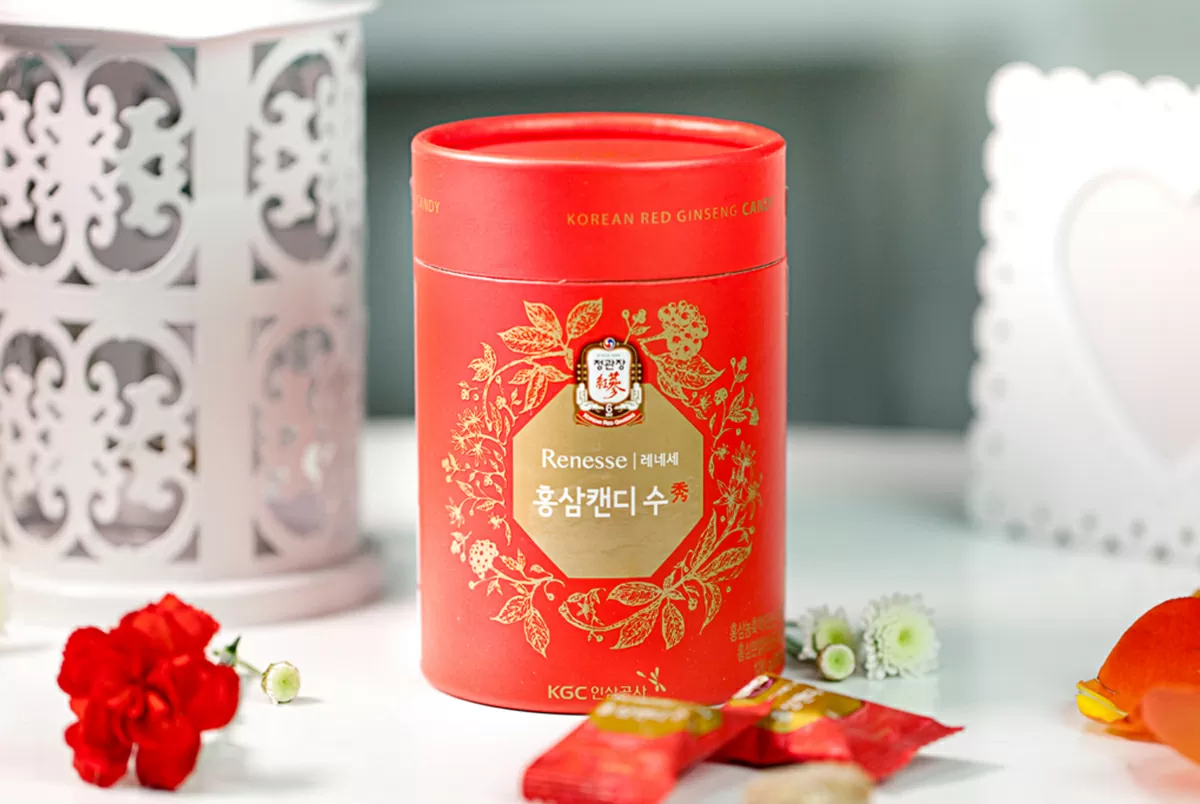
Candy. 1-2 candys 1-3 times a day.
Tablets. 2-4 tablets 1-2 times a day with plenty of warm water.
The minimum course of ginseng is 10 days. The recommended course of ginseng is 3-4 weeks.
There is no time limit to take ginseng. The effect of ginseng is cumulative. The longer the course of ginseng use, the more beneficial the effect of ginseng on the body is.
Ginseng is not dependent on food intake
No adverse effects have been observed in pregnant women taking ginseng. However, it is advisable to consult a physician beforehand. Because red ginseng components can be transmitted to the baby through breast milk in breastfeeding women, it is recommended that they refrain from taking red ginseng
Ginseng is recommended for children from the age of 3 years old.
Ginseng can be taken with coffee, if desired.
With its antioxidant properties, ginseng can effectively combat hangover symptoms.
The extract is the most concentrated of all the products.
Individual intolerance and no studies have been done on pregnant women.
Ginseng can be diluted with water of any comfortable temperature. It is not recommended that ginseng be diluted with hot water.
CKJ BEAUTY+ contains hyaluronic acid and octozanol, which have anti-aging effects for the whole body and are also necessary for men. CKJ POWER+ is also recommended for women, as it contains Maca peruviana, which is an effective fat burner.
Ginseng capsules have a stronger effect on the body, but tablets can be recommended to start with.
It is not ginseng itself that increases the pressure, but the pressure is increased by the way it has been processed. Red Korean ginseng is processed in such a way that the blood pressure does not rise when you take it.
It is advisable to use red ginseng in diabetics, as it has a strong detoxifying effect, which helps in the treatment of diabetes. A number of studies have confirmed that red ginseng is effective in treating blood sugar and glucose tolerance disorders. However, it is recommended that blood sugar levels be measured when taking blood glucose-lowering medication with ginseng. It is better to use ginseng extract, which is a pure red ginseng product.
Ginseng is recommended for the prevention and treatment of cancer patients.
Taking red ginseng increases the metabolism, which may give a slight sensation of chills. In reality, however, it is not a chill, and red ginseng does not increase the temperature. On the contrary, a number of studies confirm that consumption of red ginseng helps to maintain a normal body temperature. It is therefore possible to use ginseng regardless of one's state of health.
One of the properties of ginseng is its beneficial sedative effect on the nervous system, and while it also has a tonic effect, ginseng is also effective in combating insomnia
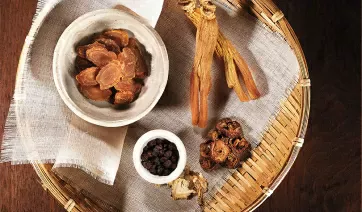
Red ginseng is the product of steaming and drying fresh ginseng. Processed ginseng lasts longer and is much more effective than white ginseng in its properties. It is known that red ginseng has been produced in Korea for more than 1000 years - an historical reference to the production of red ginseng dates back to 1122. Everyone can produce red ginseng these days, but until 1995, ginseng belonged to the list of products protected by monopoly law, and could only be produced by the state.
To make red ginseng, the fresh root must be washed and steamed. The steamed ginseng is then dried under the sun until it has a water content of 12.5-13.5%. Afterwards, the secondary roots are trimmed. The ginseng is graded according to size and weight and is vacuum packed.
The main constituents of ginseng are ginsenosides, compounds of the polyacetylene group, nitrogen compounds, flavonoids, vitamin B complex, trace elements, enzymes, antioxidants, organic acids, amino acids and others.
Red ginseng restores and strengthens the central nervous system and prevents high blood pressure and thickening of the arteries, affecting the circulatory system. In addition, it favours the process of blood formation, lowers blood sugar levels and protects the liver. It also affects the endocrine system, making red ginseng effective for sexual health and reproductive ability. It also prevents inflammation and tumour formation, and protects our bodies from radiation. It also improves skin health and protects the skin from external influences.
Ginseng reaches its peak strength only in its 6th year of growth. During this period, ginseng contains 35 times more active ingredients than its younger roots. When ginseng is further cultivated, these active ingredients are lost in the fibres and do not have the maximum effect that a 6 year old root has.
Korea has the most favourable climate for ginseng growth. This is why this country produces ginseng of the highest quality in the world