
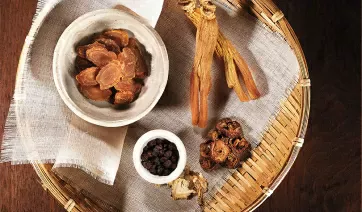
Panax ginseng – real ginseng
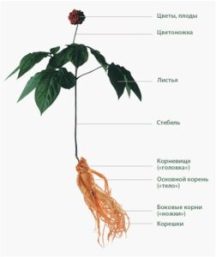
The scientific name of Korean ginseng is Panax Ginseng C.A. Meyer. Ginseng is a herbaceous perennial plant of the Araliev family, 20-50 cm high. It belongs to slow-growing plants with a fleshy root. It blooms with 1-3 umbrellas, each of which has 15-30 flowers with a yellow-green corolla. The fruits are pea-shaped, round, bright red in color, smooth, shiny drupes that contain 2 seeds each. The plant usually has 3 leaves, each with 3 to 5 leaflets 5-10 cm long.
Ginseng belongs to shade-loving plants, because. cannot tolerate sunlight. It usually grows in cold climates in dense forests, on mountain slopes. Ginseng leaves, berries and roots are used in medicine. Ginseng roots have the greatest value for medical use, as they have the ability to accumulate nutrients in large quantities. Therefore, ginseng is made from the root in granules, capsules, syrups and other forms of preparations.
Types of ginseng
The genus Panax belongs to the Araliaceae family and consists of 12 species, the main of which are:
- Panax ginseng C.A. Meyer: the scientific name of this species is real ginseng (in other sources – common ginseng). The area of growth of this ginseng is quite wide – northern China, Korea. It is quite understandable why this type of plant has so many names: Korean ginseng, Chinese ginseng, Asian ginseng, Ussuri ginseng, Oriental ginseng, Altai ginseng.
- Panax quinquefolium L.: five-leaf ginseng or American ginseng (Xiyangshen); grows in southern Canada and the USA.
- Panax notoginseng or Panax pseudoginseng: False ginseng, or notoginseng, is native to China and is also called Tienchi or Sanchi (San qi in Chinese).
- Panax japonicus (T.Nees) C. A. Meyer: Japanese ginseng.
- Panax vietnamensis: Vietnamese ginseng – Discovered in Vietnam.
- Panax pseudoginseng: native to Nepal and the eastern Himalayas.
Panax Ginseng C. A. Meyer is the most widely used type of ginseng and owes its popularity to the particular unique composition that provides its pharmacological effects. P. ginseng C. A. Meyer, P. quinquefolium L, and P. notoginseng have positive physiological and pharmacological effects on the human body; for this reason, large-scale research is being carried out on these particular types of ginseng.
False “ginseng” or … when someone else’s glory haunts …
The name “ginseng” is often misused. This is the name of a large number of diverse plants of different families. It is worth noting that these plants have nothing to do with the genus ginseng and, especially, its unique properties.
Here is an approximate list of all kinds of “ginsengs”:
- Gynostemma pentaphyllum: Gynostemma pentaphyllum, also called Southern Ginseng, or Jiaogulan.
- Eleutherococcus senticosus: Eleutherococcus, or Siberian ginseng. It was found in Eastern Siberia, has adaptogenic properties. The name “Siberian ginseng” is a marketing ploy. It has a tree-like rather than fleshy root; contains eleutherosides, not ginsenosides, therefore does not belong to the genus Ginseng.
- Pseudostellaria heterophylla: Starflower or Prince ginseng.
- Withania somnifera: Withania somnifera, also called Indian ginseng, or Ashwagandha.
- Pfaffia paniculata: suma root, or Brazilian ginseng.
- Lepidium meyenii: Peruvian Maca, or Peruvian Ginseng.
- Oplopanax horridus: lure, or Alaskan ginseng.
- Angelica sinensis: Chinese angelica or female ginseng (Dong Quai).
- Lofant anise, or Northern ginseng.
- Rhodiola rosea: Rhodiola rosea, or Tibetan ginseng. This plant is also called Siberian ginseng or Carpathian ginseng.
- Gastrodia elata Blume: high gastrodia, popularly called pot-bellied or Nanai ginseng.
- Ukrainian ginseng. What plants just do not call this intricate name: elecampane, echinacea, iron ore, burdock and even … horseradish.
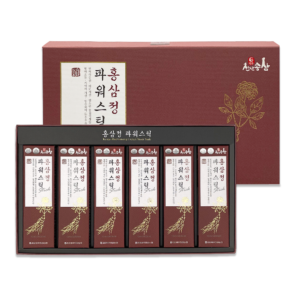
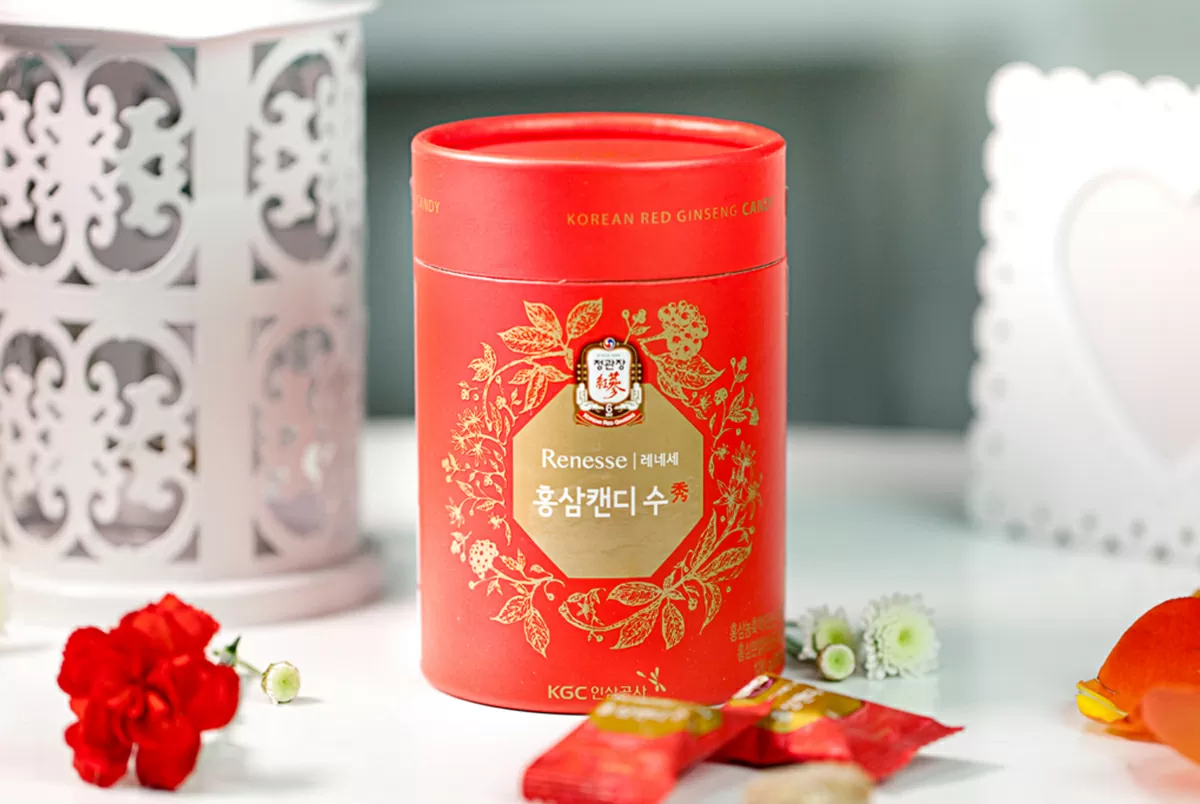
Sticks with extract of 6-year-old red Korean ginseng
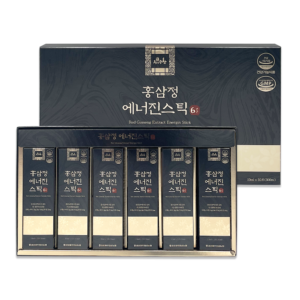
Sticks with extract of 6-year-old red Korean ginseng.
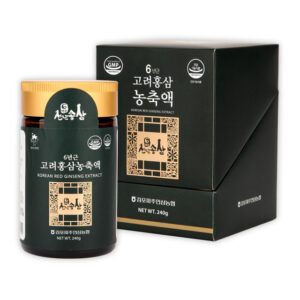
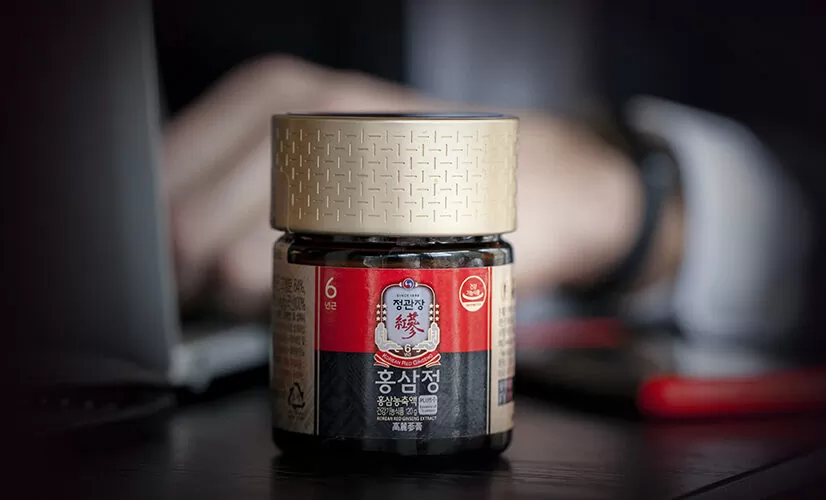
Concentrated 100% extract of 6-year-old red Korean ginseng root.
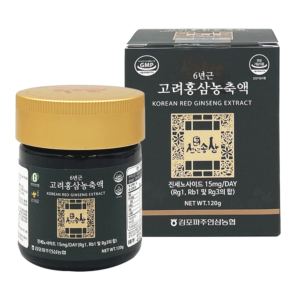
Concentrated 100% extract of 6-year-old red Korean ginseng root.
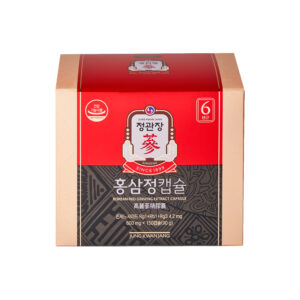
The capsules contain not only red Korean ginseng, but also grape seed oil, wheat germ oil and vitamin E.