
Unique composition of ginseng
“Look at the root!”
Kozma Prutkov
The healing potential of plants of the Panax genus has been known for a long time and is due to the composition of compounds with unique pharmacological and biological characteristics. Back in the 60s. Japanese scientists have found that ginseng saponins, compounds synthesized in plants of the genus Panax, have these properties.
Recent studies have shown that, in addition to ginsenosides, ginseng contains a large number of other important compounds, which together have a significant effect on the human body. These include phenols, lipids, essential fatty acids, vitamins, amino acids, polyacetylene, minerals, including organic germanium.
1. Saponins
Structure
Scientists managed to study the chemical composition and isolate the active substances of ginseng in pure form only half a century ago. It was then that it became known that the main active components that determine the effectiveness of the “root of life” are saponins. At that time, studies were underway on this class of ginseng compounds in laboratories in Japan. Scientists called ginseng root saponins panaxosides, and Japanese researchers called ginsenosides.
Most modern scientists use the latter name in their work.
Ginsenosides are synthesized only in plants of the genus Panax. Scientists have isolated more than 150 naturally occurring ginsenosides from the roots, leaves/stems, fruits and/or buds of ginseng.
Ginsenosides are similar in structure: most of them consist of a dammarane steroid ring with 17 carbon atoms (4 rings). A group of scientists led by Shibata, having discovered ginsenosides, called them Rx, where x is, respectively, the indices of chromatographic polarity (thin-layer chromatography is carried out on TLC plates; polarity decreases from index “a” to “h”).
According to recent studies, ginsenosides Rb1, Rb2, Rc, Rd, Re, and Rg1 account for over 90% of the total ginsenosides found in Korean ginseng root.
Ginsenosides have a wide range of important medicinal properties. At the same time, different groups of these compounds affect the body in different ways, they can have completely opposite effects.
For example, Rb-group ginsenosides (a type of protopanaxadiol) are able to suppress the activity of the central nervous system, as well as lower blood pressure, while Rg-group ginsenosides (a type of protopanaxadiol), on the contrary, stimulate the central nervous system and increase blood pressure.
Сlassification
Ginsenosides are divided into respective types, depending on the shape of the steroid skeleton and the number of hydroxyl/sugar functional groups.
Ginsenosides consist of glycone and aglycone, respectively – carbohydrate and non-carbohydrate residue. According to the structure of the aglycone, ginsenosides are divided into 3 types: protopanxadiol, protopanaxatriol and oleanolic acid. Protopanaxadiol and protopanaxatriol are tetracyclic terpenes of the dammarane series.
They are used as markers for quality control of ginseng preparations. For example, ginsenoside Rf is only found in Korean ginseng, while F11 is only found in American ginseng. Thus, the Rf/F11 ratio is used as a phytochemical marker to distinguish between American and Korean ginseng species.
Protopanaxadiol (PPD)
Protopanaxadiol belongs to the dammarane-type ginsenosides, these include:
– ginsenosides Ra1, Ra1, Ra1, Rb1, Rb2, and Rb3,
– notoginsenosides R1, R1, Rs1,
– kinkenoside R1,
– malonylginsenosides Rb1, Rb1, Rc, and Rd.
More than 30 ginsenosides of the PPD type belong to the Rb series.
Metabolic transformations of ginsenosides of the PPD type are the objects of intensive research; as a result, it was possible to isolate and characterize several active metabolites, in particular compound K (also called M1 or IH-901).
IH-901 (20-O-β-D-glucopyranosyl-20(S)-protopanaxadiol) is formed in the human intestine and is the final bacterial metabolite of ginseng.
It has a variety of pharmacological effects: rejuvenating, immunostimulating, anti-stress, antioxidant, antimetastatic.
Protopanaxatriol (PPT)
Protopanaxtriols are also dammaran-type ginsenosides. This group includes:
– ginsenosides Re, Rf, Rg1.
– notoginsenoside R1.
The main structural difference between PPD and PPT is the presence of a hydroxyl group/sugar residue in the C-6 position in PPT.
Oleanolic acid
This type includes Ro ginsenosides having a pentacyclic triterpene backbone.
The content of ginsenosides in different types of ginseng
Different species of the genus Panax differ from each other in the number and composition of ginsenosides. The quantitative and qualitative composition of these compounds largely determines the level of pharmacological activity of plants and their therapeutic effect.
- Korean ginseng (P. ginseng) – 29 types of ginsenosides in total (Ro, Ra₁, Ra₂, Ra₃, Rb₁, Rb₂, Rg1, etc.)
- American ginseng (P. quinquefolium L.) – 13 species in total (Rg, Rb, etc.)
- Sanchi ginseng (P. notoginseng) – 14 species in total (Rg, Rb and etc.)
- Chikuseteu ginseng – 3 species (Ro and others).
2. Vitamins and minerals
Korean ginseng is also rich in vitamins and minerals:
vitamins: niacin (vitamin B3 or PP), ascorbic acid (vitamin C), pantothenic acid, biotin (vitamin H), folic acid, riboflavin (vitamin B2);
minerals: P, K, Ca, Mg, Al, Fe, Cu, Zn, Mo, Mn, etc.
3. Carbohydrates
Ginseng (fresh roots / dried roots / extract) contains 60-70% of various carbohydrates: rhamnose, fructose, glucose, sucrose, maltose, etc.
Polysaccharides
Ginseng polysaccharides are water-soluble compounds containing less than 5% proteins, as well as various sugar residues, combined with uronic acid and including panaxans from A to U. These polysaccharides are acidic and exhibit immunomodulatory and antiproliferative properties. In recent studies, an acidic polysaccharide with immunostimulatory activity was found, which was called “ginsan”.
The amount of carbohydrates in ginseng products
|
Product |
Sugar content (mg/g) |
||||||
|
Rhamnoza |
Fructose |
Glucose |
Sucrose |
Maltose |
Lactose |
General |
|
|
Fresh ginseng |
– |
6,23 |
9,49 |
69,72 |
21,75 |
– |
107,19 |
|
White ginseng |
– |
4,62 |
8,3 |
120 |
5,85 |
– |
138,77 |
|
2,8 |
16,3 |
14,2 |
84,17 |
22,1 |
– |
139,57 |
|
|
Ginseng tea |
Micro Quantity |
2,25 |
502,12 |
7,78 |
9,12 |
261,95 |
783,23 |
|
Capsules with white ginseng powder |
1,39 |
13,25 |
11,21 |
29,28 |
30,15 |
– |
85,18 |
|
White Ginseng Powder |
1,56 |
12,63 |
10,16 |
32,16 |
34,28 |
– |
90,79 |
4. Organic acids
Ginseng root contains organic acids such as: citric acid, malonic acid, succinic acid, ketoglutamic acid, pyruvic acid. The plant also contains volatile acids: acetic acid, propionic acid, isobutyric acid, n-butyric acid, isovaleric acid, n-valeric acid, n-caproic acid, etc.
5. Fat soluble substances
Ginseng contains about 2% fat-soluble ingredients, including 18 essential fatty acids.
The content of raw and refined fats (lipids) in the root:
|
Substance : % |
|||
|
Lipids |
Raw lipids |
Purified lipids |
|
|
Free lipids |
1,23 |
1,11 |
|
|
Related lipids |
0,63 |
0,52 |
|
6. Nitrogen-containing compounds
Ginseng also contains nitrogenous compounds (15%) – proteins, amino acids, alkaloids, etc.
Ginseng root is rich in the following amino acids: aspartic acid, threonine, serine, glutamic acid, glycine, alanine, valine, cysteine, methionine, isoleucine, leucine, tyrosine, lysine, histidine, arginine, proline, etc.
7. Polienes
Polyenes are a group of organic compounds with alternating single and triple bonds. Ginseng contains falcarinol (panaxinol), falcarintriol (panaxytriol), acetic acid and linolenic acid.
8. Flavonoids and essential oils
In addition to the mentioned compounds, some flavonoids and essential oils have also been isolated and identified from representatives of the Panax genus.
9. Other substances
Some other organic substances have also been found in ginseng, such as salicylic acid, vanillic acid, P-hydroxycinnamic acid, etc.
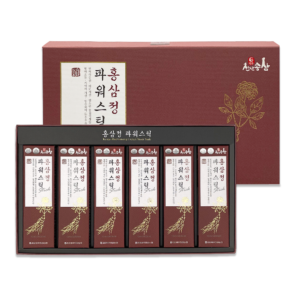
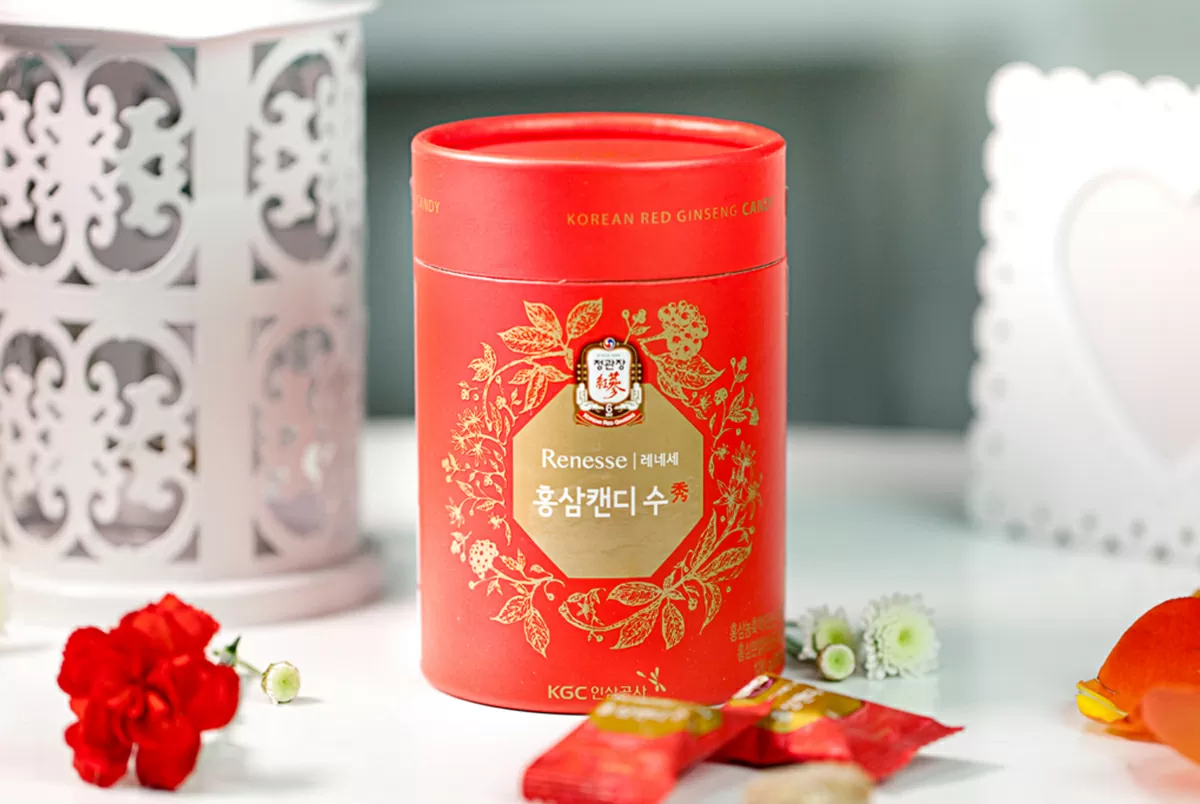
Sticks with extract of 6-year-old red Korean ginseng
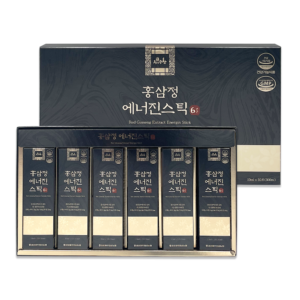
Sticks with extract of 6-year-old red Korean ginseng.
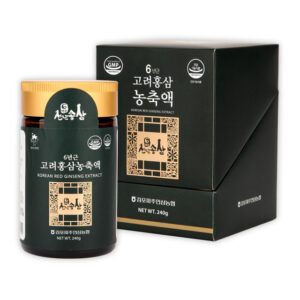
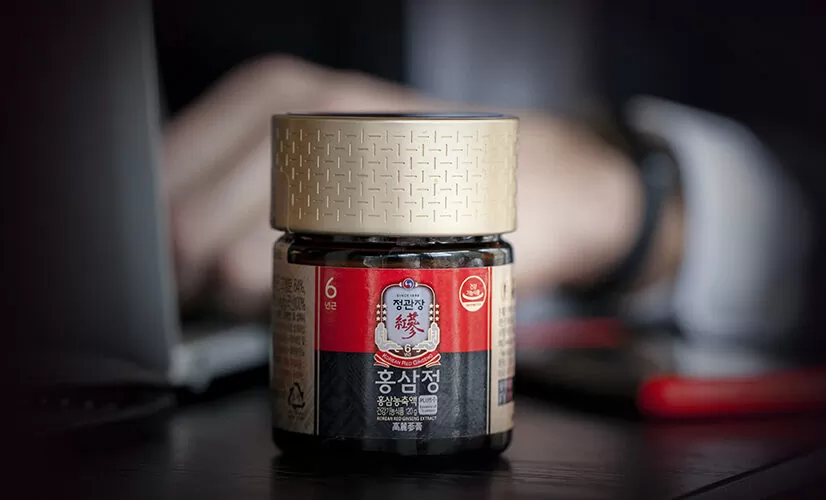
Concentrated 100% extract of 6-year-old red Korean ginseng root.
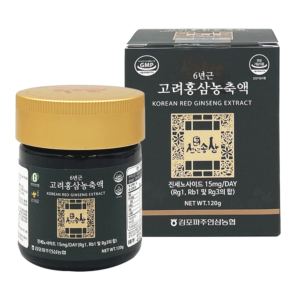
Concentrated 100% extract of 6-year-old red Korean ginseng root.
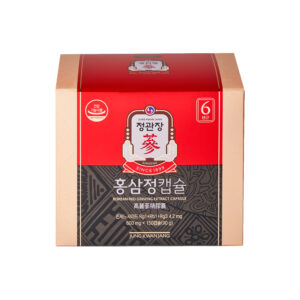
The capsules contain not only red Korean ginseng, but also grape seed oil, wheat germ oil and vitamin E.